Why These 10 Indie Games Deserve a Spot in Your Library
In 2025, these are my 10 best indie games that stand out for their captivating stories, stunning visuals, and timeless gameplay. Being a person who lives on character complexity and distinctive worlds, these indie games have made a lasting impression on my gaming experience. Disco Elysium knocked me off my feet with its unflinching, self-reflective writing—more a philosophy experience dressed in dark humor. Omori unsettled me with its pastel horror, making mental health a horror I couldn’t turn away from. I visit Stardew Valley when I must catch my breath; it’s peaceful, quaint, and unexpectedly deep. And then there’s Hollow Knight, a dark, stunning maze with some of the finest world-building I’ve ever seen.
OFF is bizarre, lyrical, and in a way disturbing that still sticks with me. Undertale, naturally, is legendary—a love letter to RPGs filled with fourth-wall gags and emotional whammos. Nine Sols is a blending of Sekiro and cyberpunk legend, brutal but somehow beautiful. Mouthwashing is weird, nearly harsh, but its dreamlike interpretation of self-care intrigued me. And Fields of Mistria? Like Stardew, but with a pinch more magic and flair. It’s the comfort fantasy I didn’t know I required.
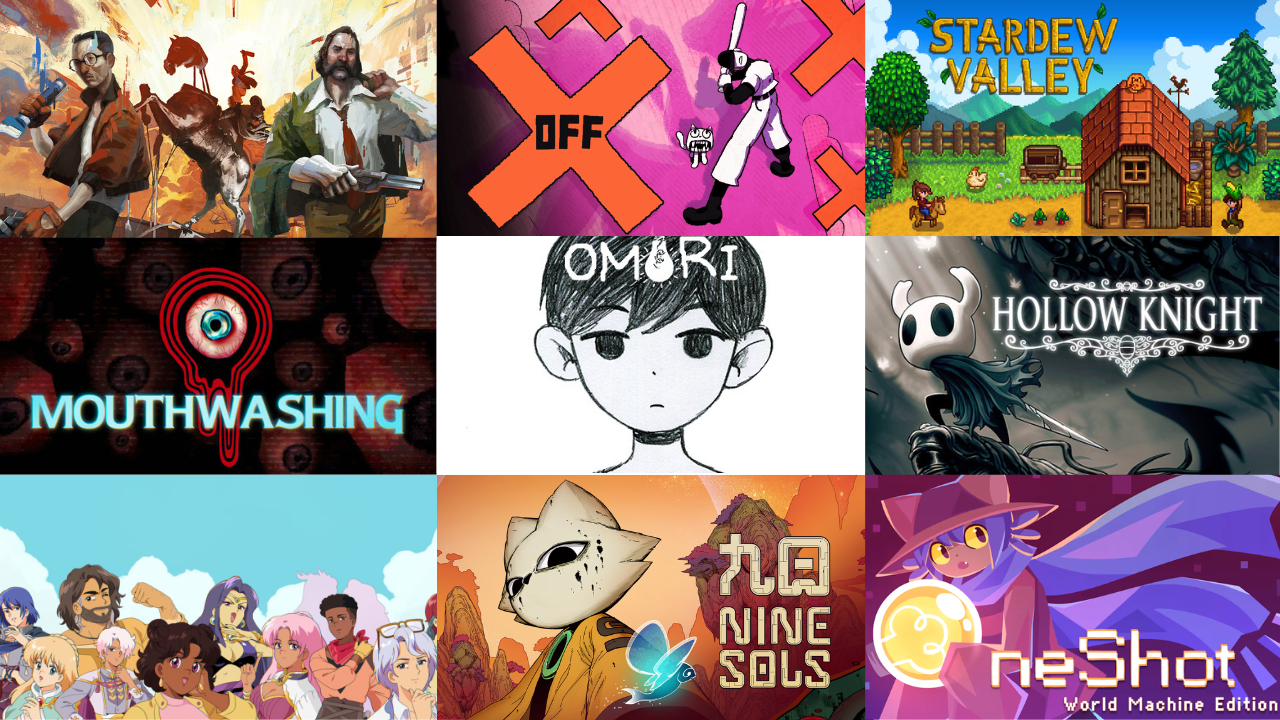
10. Fields of Mistria
A Soft Fantasy Full of Charm and Choice
Fields of Mistria is like coming home to something you’ve never seen, yet immediately know. It’s a perfectly balanced farm sim, RPG, and life fantasy cozy-ness, in pixel-perfect graphics and mixed with just a hint of intrigue to keep you coming back for more. If Stardew Valley is your go-to comfort food, Fields of Mistria may be your next favorite dish.
You start with land and a community of weird-and-wacky citizens, but this isn’t planting turnips and giving chickens birdseed. Beneath the quirky facade lies a richly layered magical world—with actual bubbling. Ancient history, spells cast, holidays to celebrate, and a pretty mature RPG component serve to add extra bite beyond its sim-creds. Writing’s reflective, relationships genuine. I discovered myself actually craving to check in on townspeople, not necessarily to finish a quest, but to find out how their narrative went.
It’s calming, but not vacant. Each mechanism, from angling to combat in ruins, contributes to an enjoyable cycle that honors your time. And the queer-friendly, inclusive cast creates even more nuance to its inviting environment.
After Stardew Valley, I really missed a cozy farming sim—Fields of Mistria filled that gap perfectly. Also, Juniper is the best waifu.
9. Mouthwashing
A Dreamlike Descent Into the Subconscious
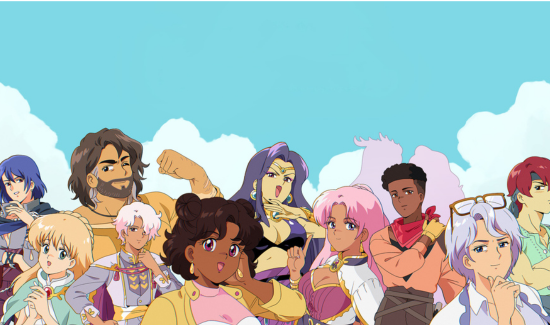
Mouthwashing is one of those indie games that defies easy description. It’s surreal, uncomfortable, and strangely beautiful—like wandering through someone’s abstract painting while trying to untangle their deepest anxieties. At times it feels like a walking sim, other times like a psychological horror. But above all, it feels personal—like you’re brushing up against someone else’s psyche.
The game doesn’t leave you with a lot to work with at the start. You’re deposited into a sparsely detailed, frequently antiseptic world that distorts itself the further you progress. Environments shift in bizarre, organic patterns—what’s geometric and structured turns visceral and chaotic. The sound design in particular is noteworthy: whispers, static, and distant murmurs that leave you wondering what’s real in-game and what’s in your imagination.
There isn’t much in terms of fighting or conventional goals, but that’s the idea. Mouthwashing is all about the process inward. The identity, mental illness, and body unease themes aren’t told so much as experienced. It’s disturbing and meditative at the same time.
By the end, I had no idea what was real—and I was certainly transformed. It’s not a game for all, but if you prefer games that stay with you, this one won’t wash out so easily.
8. Nine Sols
A Blood-Punk Myth Brought to Life
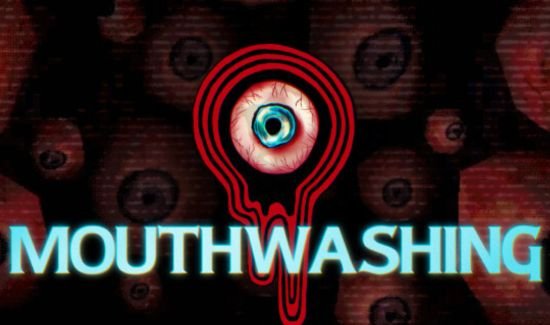
Nine Sols is like a dream—equal parts ancient myth and cyberpunk horror. Made by Red Candle Games (Detention and Devotion), it combines tight 2D action-platforming with deep lore and gorgeous hand-drawn visuals that throb with a sort of mythic energy. Imagine Sekiro meets Hollow Knight, filtered through an East Asian sci-fi prism.
You control Yi, a vengeance-seeking hero woken up in a world controlled by techno-gods—the eponymous Nine Sols. Combat is parry-heavy, fast, and fluid, requiring accuracy but yielding to mastery. Each fight is like a duel with destiny, and the rhythm of the game becomes a meditation on timing and brutality.
What really pulled me in was the world-building. Nine Sols is drenched in Taoist-inspired symbolism, cybernetic ruins, and spiritual decay. The story isn’t spoon-fed; it unspools in fragments, encouraging exploration and interpretation. It respects your intelligence while keeping you slightly off-balance.
Visually, it’s stunning. The artwork is a living painting, full of grotesque beauty and enigmatic calm. And emotionally? It punches hard—striking chords of loss, revenge, and redemption.
7. Undertale
Where Every Choice Has a Soul
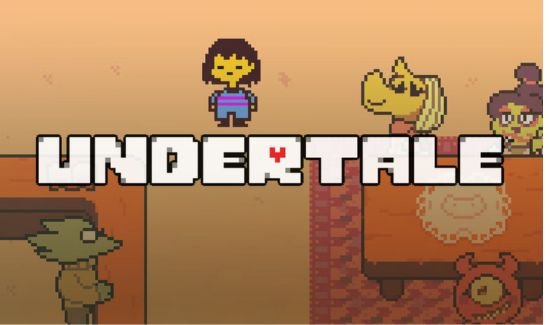
When I first played Undertale, I was anticipating a quirky retro RPG. What I received was one of the most emotionally impactful and unexpectedly deep experiences I’ve ever had in gaming. It’s simplicity is deceiving—pixel art, minimalist combat, and plenty of jokes—but beneath all that lies a story with heart, humor, and a message that stays with you long after the screen goes dark.
You are a kid who, through a strange fall, drops into the world of monsters in the Underground. But what Undertale does exceptionally well is not requiring you to fight anyone at all. You can spare any enemy with personalized interactions. The game is repeatedly testing your nature as a gamer—asking not only what you can do but also what you should do.
The characters are indelible. From Papyrus’ goofy affability to Sans’ reserved depth and Toriel’s warm kindness, each interaction is like meeting a real person. And the way the game recalls your decisions—even between playthroughs—gives each choice gravity.
I laughed, I wept, I felt guilt, I felt happiness. Undertale is a game—it’s a mirror. It reflects on who you are, how you play, and what that speaks about you. Few games are so intelligent, so humorous, and so human.
6. OFF
A Glitchy, Ghostly Journey Through the Absurd
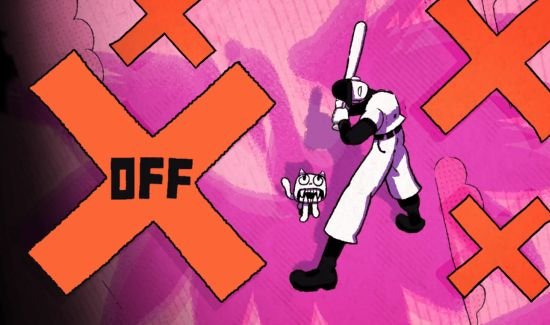
Playing OFF feels like stepping into someone else’s dream—or nightmare. Created by French developer Mortis Ghost, this cult classic RPG is minimalist in design but maximalist in impact. From the opening moments, where you’re told you’re “the player” guiding “the Batter” on a holy mission, it sets an unsettling tone that never lets up.
What starts out as a dreamlike trek through sterile areas soon becomes something darker and more existential. Every area is filled with eerie creatures and mysterious NPCs, with music that sounds like it was ripped from a broken toybox or a corrupted cassette. The turn-based combat system works but isn’t the priority—it’s the atmosphere, narrative, and slow-burn horror that really make OFF.
The game touches on concepts such as purity, control, morality, and even the position of the player in narrative. By the point at which the complete story fits together (and trust me, it will remain with you), I was both unsettled and impressed in equal proportion. It’s as though Undertale’s dark older brother—less delightful, more uncomfortable, but as clever.
OFF isn’t for everybody, but if you enjoy art-house weirdness with emotional impact, it’s an absolute must-play. It’s strange, it’s uncooked—and I still think about it.
There is no official link to buy OFF, but here an unofficial link to download the game. DOWNLOAD
5. Oneshot
A Fragile World With a Flickering Light
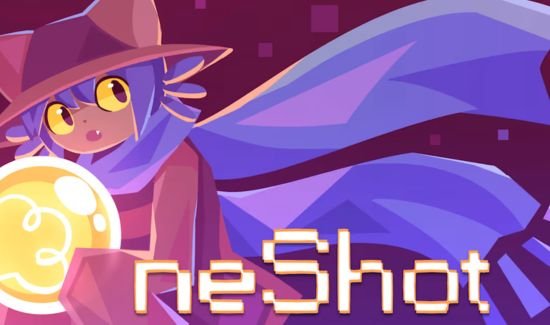
OneShot is not a game—it’s a dialogue. A peaceful, subtle puzzle-adventure that extends beyond your screen and demands your trust. You control a child named Niko, a big-eyed feline-like creature, through a world hanging in the balance of destruction, balancing the sun—literally a lightbulb—while navigating to bring light to a dying world.
What makes OneShot special isn’t just its story, it’s how it tells that story. The game knows you’re there. It talks to you—not your character, you. It breaks the fourth wall in ways that feel intimate rather than gimmicky, turning your relationship with Niko into something real and tender. Every time they look up and say your name, it hits.
The puzzles are thoughtful and at times existentially so, drawing on not only game systems but your very computer. It encourages you to care. It encourages you to observe. And in doing so, it creates one of the most genuine emotional payoffs I’ve ever had in a game.
OneShot is brief, but it does not have to be. Its punch is powerful and lasting. If you would like to be reminded that games are still capable of surprising you—and connecting to something human along the way—then this is one that should not be missed.
4. Hollow Knight
A Beautiful Descent into Darkness
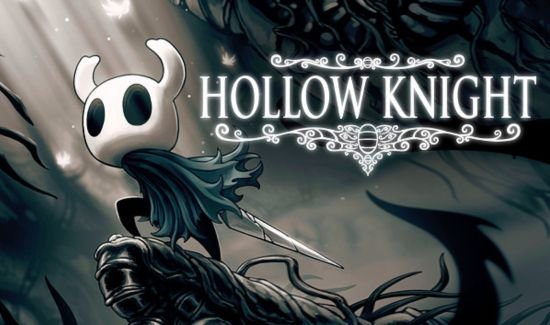
Hollow Knight was not something I played—it was where I existed for weeks. Hallownest, the massive underground realm you wander, is soundless, devastated, and sorrowfully gorgeous. Each hallway keeps a secret. Each foe, a lost part of an eroding world. And in the middle of it, you—a small bug knight with a nail, balancing the thin line between elegance and disaster.
What caught me initially was the mood. Team Cherry’s beautiful hand-drawn graphics and unsettling soundtrack draw you into a lonely, enigmatic, and sacred world. No hand-holding here. You figure things out by doing, exploring, dying, and gradually learning the map. The platforming is snappy, and the boss battles are challenging—sometimes brutally so—but just.
What sets Hollow Knight apart is its understated storytelling. Lore is spoken in hushed tones through item descriptions, mysterious NPCs, and visual storytelling. You assemble a world well past its best, where even your foes look depressed instead of malevolent.
There were moments I got lost. Moments I wanted to quit. But then I’d push through and uncover something astonishing. That’s Hollow Knight: challenging, poetic, and unforgettable. If you like your beauty tinged with sorrow, this is your cathedral.
3. Stardew Valley
The Game That Grows With You
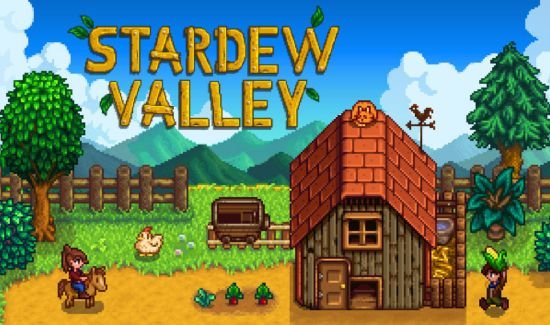
When I first started playing Stardew Valley, I imagined I’d be planting crops and tending to chickens. Several seasons in, I found that I was reconstructing more than a farm—I was reconstructing myself. The game is effortlessly easy. You inherit a decaying piece of land and build it up, gradually, into a productive homestead. Beyond the farming, however, there is something deeper: a population full of characters, secrets, and subtle enchantment.
There’s no single way to play Stardew. You can obsessively farm, romance villagers, spend hours fishing, explore monster-infested caves, or simply care for animals and watch the rain. The game never rushes you. Its clock is ticking, but it’s waiting. That feeling of freedom, paired with an addictive cycle of gameplay and cute pixel art, is what makes Stardew Valley so endlessly replayable.
What truly did surprise me, however, was its emotional heart. The people of the town aren’t NPCs—they’re individuals with joys and regrets and complex relationships. The more time you spend, the more the town feels like home.
Stardew Valley is warm, sure—but it also quietly invites consideration, compassion, and presence. For a game that never shouts, it has a lot to say.
2. Omori
A Pastel Nightmare You’ll Never Forget
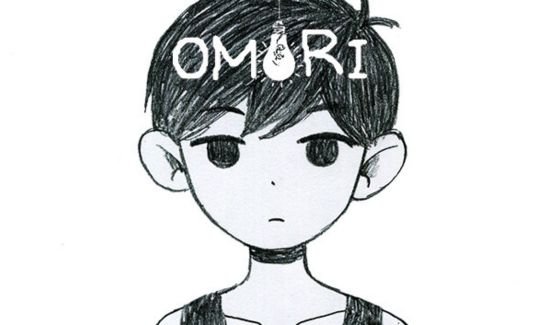
Omori is one of those elusive games that hooks you with charm and then smashes your expectations—narratively and emotionally. At first glance, it’s a sweet, pastel-hued RPG with cute characters and snug exploration. But hidden beneath its cute, lo-fi exterior is a psychological horror game that strikes on deeply personal chords.
You play as Omori, a silent boy, exploring a dreamlike world with his childhood friends. Turn-based combat is straightforward but deep, with emotional states instead of normal status effects—happy, sad, angry—accurately reflecting the emotional heart of the game itself. As the narrative progresses, dreams and reality begin to blur in eerie ways. What starts off as whimsical soon becomes unsettling, then downright catastrophic.
The game explores themes of guilt, loss, repression, and mental illness without being exploitative or preachy. Its greatness is in the way it takes game mechanics and visual language and uses them to reflect on internal trauma. It doesn’t tell you, it makes you feel it.
By the end, I wasn’t just moved; I was devastated. It left me in silence for a moment, reconsidering what I want out of indie games. Omori isn’t for everyone—but it’s unmissible.
1. Disco Elysium
A Detective Story That Unravels You
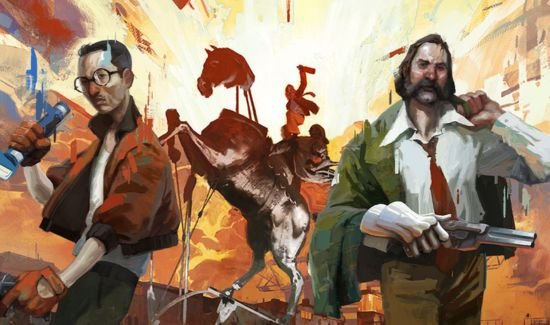
Disco Elysium is not a game; it’s an intellectual dig. When I first turned it on, I expected to be entering a typical isometric RPG. What I discovered instead was an existential noir in which the true mystery was myself. As a drunk, amnesiac detective, I was pulled into a murder investigation that gradually seeped into a consideration of ideology, trauma, and self-worth.
There’s no conventional combat—the choices, your thoughts, your internal battles are the weapons. All skills are a personality aspect that bickers back, herding or propelling you into conflicting choices. The prose is cutting and astoundingly philosophical. Hilarious at times, incredibly heartbreaking at others, always brutally true. Revachol, as a city, is decaying and pulsating, and the same can be said of its inhabitants.
What’s so great about Disco Elysium is that it takes your intelligence seriously. It lets you screw up and appreciate the aesthetic of screwing up. It’s the sort of game where your biggest achievement could be conceding that you’re a disaster. That isn’t immersive storytelling—that’s design revolutionary.
If you’re someone who loves games that enter your head and remain there long after the credits have finished, this is not optional. Play it.
Why I Don’t Recommend Buying Disco Elysium
While Disco Elysium remains one of the most groundbreaking narrative RPGs in gaming history, I personally choose not to recommend purchasing it. After its release, key original creators were controversially dismissed from ZA/UM, the studio behind the game. Many fans—including myself—feel that supporting the current version indirectly supports a company that no longer represents the artistic vision or values that made the game special.
If you’re still curious about the experience, I recommend learning more about the situation first, or looking into ways to support the creators in their future endeavors.
Why These 10 Indie Games Are Still Worth Playing
These indie classics aren’t games—they’re stories, feelings, and experiences that linger long after the credits have rolled. From peaceful farms to dreamlike landscapes, every title has something special to offer. If you haven’t tried them yet, make 2025 the year you take the plunge. Indie games continue to show that you don’t need a blockbuster budget to make something truly unforgettable. Thank you for stopping by.
One Comment
Comments are closed.